
China aims to become a global leader by exploiting others
China is striving to shape the world order to serve its own interests through cooperating with Russia, building international alliances with the Global South and attempting to harness international structures to support its own goals.
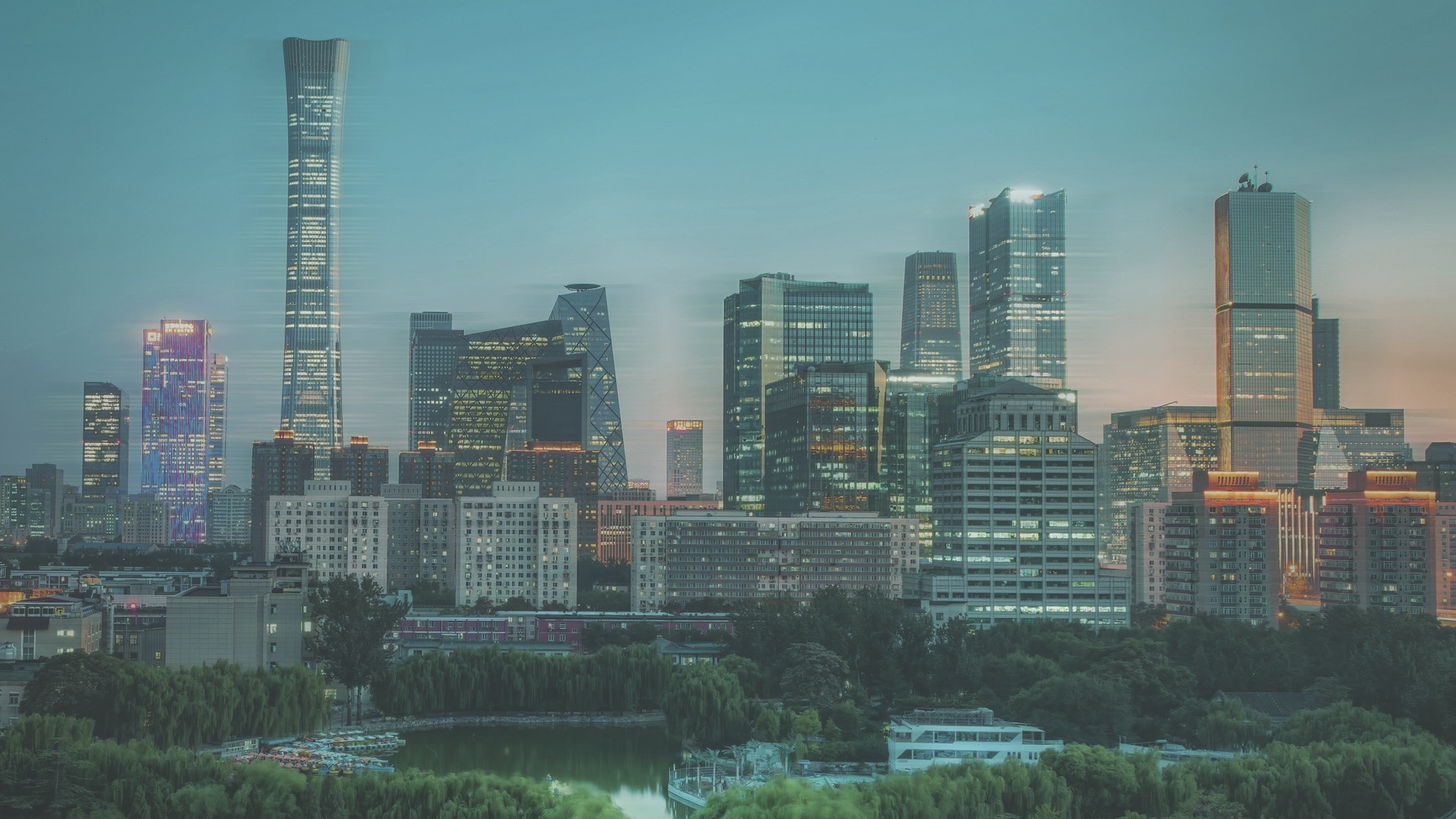
The present leaders of China believe that the country has a clear historical entitlement to be a leading global power. For China, the latest more than 200-year period, during which the West has been shaping the world order to its liking, is nothing more than an exception to the big picture. China wants to offer an alternative to Western hegemony, especially in the Global South. For President Xi Jinping, China is not just a nation state but a civilisation of global historic importance that also Western countries should respect.
China aims to become so influential that other countries are dependent on it and forced to take its interests into account. China also aims to keep on developing its armed forces so that, in the long term, it will be capable of operating globally. The ability to control the neighbouring areas is particularly important for China, with the Taiwan issue being the key priority.
In the 21st century, China has been purposefully building its technological and industrial competence. It has required Western companies seeking entry into the country's market to set up joint ventures. This has enabled China to use technology transfers to gain the know-how that had taken the West 50 years to build. In addition, China has actively utilised espionage and investments in Western companies to obtain product development data.
China tries to accelerate the development of its position by benefiting from the international policy structures, trading with Russia and engaging developing countries in the Global South to agreements that promote China’s interests. China wants to shape the current world order so that it would better serve its own needs. China’s actions are aimed at ensuring that Western countries would not be able to pressurise it in matters related to such issues as democracy and human rights.
China is harnessing the language of Western democracies to use it against their objectives. In its communications, it is visibly demanding that international relations must be changed in a more democratic direction and that, for example, the countries of the Global South must have a more equal voice. China claims to be advocating a genuine multipolar world and multilateral cooperation, while also strengthening China's global position. China is seeking support among developing countries, trying to present itself as a builder of international stability. While China is talking about democratising international relations, it provides support for many authoritarian regimes and hinders international democratisation processes.
China is shaping international alliances to its liking
China is trying to change the current world order so that it would better serve its own needs. It wants to benefit from the existing structures by reinforcing its own influence within them and is seeking to set up new multilateral platforms.
For example, China has been investing in increasing its influence in the UN for years and has succeeded in raising Chinese individuals to many key positions within the organisation. When matters are voted on, China wins developing countries on its side by means of economic cooperation. This way, it has influenced, for example, the way human rights are reviewed periodically. The reduced interest of the United States in the UN has also made it possible for China to build a higher profile.
The utilisation of Chinese foreign policy language is expanding within the UN. This is partly due to the ‘global initiatives’ launched by China. The purpose of the initiatives, related to such matters as global security and development, is to bring China's perspectives to a broader debate. These initiatives make China appear as an actor promoting the common good and reducing confrontation.
China is also seeking to expand the alliances independent of the West it finds important, providing alternative structures to the Western hegemony. The BRICS group, which originally consisted of Brazil, Russia, India, China and South Africa, has been expanding in recent years. In addition to BRICS, the Shanghai Cooperation Organization (SCO) has risen to a more prominent role than before. Over the years, the organisation, originally established to counter the threat of extremist movements in Central Asian countries, has increased and diversified its activities. China has a strong position within the SCO and argues that the SCO is an example of genuine multilateral cooperation. Both BRICS and the SCO are seeking to increase their membership, which will strengthen the global importance of the organisations. The increase in the number of member states may also complicate the organisations’ decision-making and make concrete cooperation more difficult. For example, during Russia’s war of aggression, South Africa and Brazil have been reluctant to turn the alliance into a party to the conflict or to take a significant anti-Western stance. In BRICS, cooperation is also restricted by the competition between China and India.
China and Russia benefit from each other
China and Russia want to maintain their own strategic autonomy, and they both want to reduce the global influence of the Western countries. Both countries see different democratic “colour revolutions” as threats. The countries seem to be willing to seek closer mutual multisectoral cooperation in the commercial, political and military sectors as well as within the framework of technological research cooperation.
The relationship between China and Russia is unbalanced, as China is significantly more powerful in economic terms. Russia is also concerned about how deep its dependence on China may develop. China is a major buyer of Russian oil and has an interest in obtaining as cheap energy as possible.
During the war, Russia has adopted a more positive view on China’s presence in the Arctic. The countries have been adept at reconciling their interests, and no major conflicts have arisen so far.
"China is harnessing the language of Western democracies to use it against their objectives.”
From the European perspective, it is unfortunate that Russia’s invasion of Ukraine and the promotion of its military interests have not been a problem for China. China calls its stance neutral and seeks support for its own policy line outside Europe. Although China talks about global security, sovereignty and territorial integrity, it does not seem to find the aggressive power policy pursued by Russia a problem.
Although cooperation between China and Russia keeps on getting closer, the countries remain suspicious of each other. China has been reluctant to support Russia in ways that would endanger its own global interests. Russia’s actions that cause instability in its neighbouring areas and the global economy may partly hamper China’s economic interests. China would first and foremost like to use softer economic instruments and has not introduced as aggressive means of influence as Russia.
China operates extensively in Africa
China’s influence is clearly visible in Africa, where it has a lot of interests. China also has sufficient resources to promote its position on the continent: China is building infrastructure projects and is involved in other commercial projects in Africa. China has access to critical raw materials in Africa, which it has pursued on a long-term basis. The aim is to gain control over the mineral wealth in the area. China has taken over deposits of critical minerals and established mines even when the prices of raw materials have been so low that the mining projects have not been profitable at the time they have been set up.
In addition to increasing its own power, China is seeking to reduce the influence of the Western countries in Africa and to prevent the spread of the democratic movement. It is not always necessary for China to win over African countries – it often suffices that they take a neutral stance on global policy issues.
European unity is a counterbalance to China
It is in China’s interest to undermine the unity of the European Union. As a tool towards achieving this goal, China uses a trade and investment policy favouring European countries sympathetic to China.
Avoiding contacts with the European Union institutions, China prefers to interact bilaterally with the Member States. In bilateral discussions, China has a better negotiating position, and it is in China’s interest to make Member States compete against each other. When China’s actions are clearly targeted against the interests of European countries, they can be warded off, but it requires cooperation between European states. In the short term, this target is not easy to achieve, as the industries of many Member States are dependent either on Chinese supply chains or market.
China’s ambitions for an alternative world order and the close cooperation between China and Russia make it more difficult for Finland and the European Union to meet the goals of ensuring security and international trade not susceptible to outside pressure.